
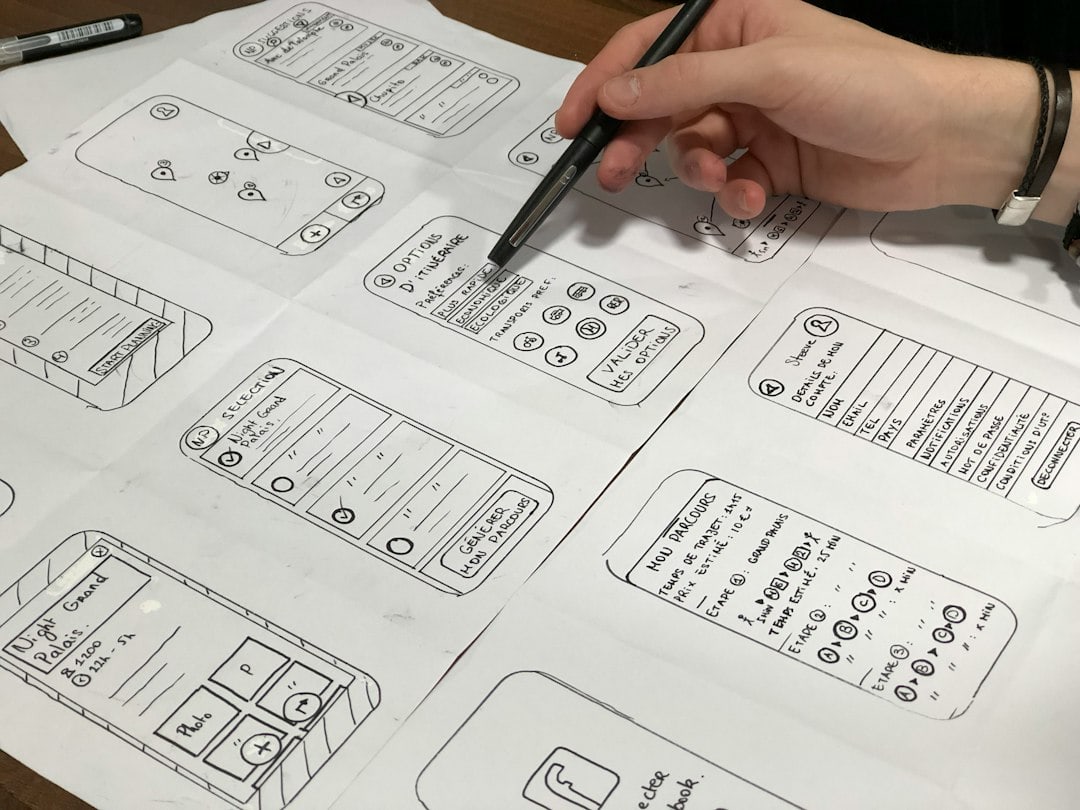
Figma Launches Code Layers Feature in Open Beta
Digital design software giant Figma has announced that its code layers feature is entering open beta. Reported by TechCrunch on October 14, 2026, this rollout represents a notable step forward in how interface design platforms integrate underlying code structures into active visual design environments.
For designers, front-end developers, and tech students, updates to tools like Figma provide valuable insight into how the industry is streamlining digital product creation. By introducing code layers to a broader open beta audience, Figma continues to refine the space where visual design meets technical implementation.
Bridging the Gap Between UI/UX Design and Web Development
Traditionally, the workflow between design teams and development teams required a distinct handoff phase. Visual designers created mockups and wireframes inside design platforms, after which web developers translated those static graphics into executable code HTML, CSS, and JavaScript structures.
Features like Figma’s code layers in open beta aim to make this relationship more fluid. When software tools bridge visual representation with structured code layers, building digital interfaces becomes faster, more consistent, and less prone to communication errors during transition stages. Understanding the future of UI/UX design requires recognizing how tools are evolving to support both creative layouts and technical precision simultaneously.
Why Modern ICT Training Must Reflect Tooling Evolution
As industry-standard applications integrate advanced code-oriented functionality, foundational digital education must keep pace. Learning design or web development in isolation is no longer enough; understanding how these disciplines intersect is increasingly vital for modern tech professionals.
Students looking to build career-ready digital capabilities benefit significantly from structured, practical learning environments. Enrolling in a reliable computer school in Ojo provides learners with hands-on exposure to both design fundamentals and software development concepts. Modern practical ICT training ensures that beginners do not just learn static software commands, but master real-world workflows used by global tech teams.
Key Skills Needed for Modern Design and Code Workflows
To fully take advantage of advancements like code layers, technology students and practitioners should focus on building core multi-disciplinary skills:
- User Interface (UI) Principles: Understanding typography, color theory, layout grids, and responsive components.
- User Experience (UX) Architecture: Mapping user journeys, wireframing interactive states, and conducting user research.
- Front-End Web Fundamentals: Gaining practical knowledge in standard markup and web development practices.
- Version Control and Collaboration: Knowing how design assets translate to software repositories and shared developer handoffs.
The Importance of Hands-On Digital Education in Lagos
In fast-growing tech ecosystems across Lagos and Nigeria, demand remains high for individuals who can build polished, functional websites and web applications. However, acquiring these skills requires grounded instruction that connects core theories with modern industry tools.
Whether your goal is to create intuitive mobile app interfaces or master full-fledged front-end development, gaining practical tech skills in Ojo equips students with the exact technical confidence required by employers and global freelance platforms. As platforms like Figma continue to innovate with open beta features like code layers, those with structured practical ICT training will be best positioned to adapt and thrive.
Looking Ahead
The open beta release of Figma’s code layers feature highlights a broader movement across the software industry toward unified, code-aware design systems. As design tools become more sophisticated, the line between visual layout creation and software engineering continues to blend.
For aspiring designers and developers, staying informed about these updates and committing to continuous practical education ensures that your technical skills remain relevant, efficient, and highly valuable in today’s digital economy.
